Neoprene Bridge Bearing Pad
Inquire About This Product
Need technical datasheets, BUET lab test reports, or wholesale delivery estimates?
Product Overview
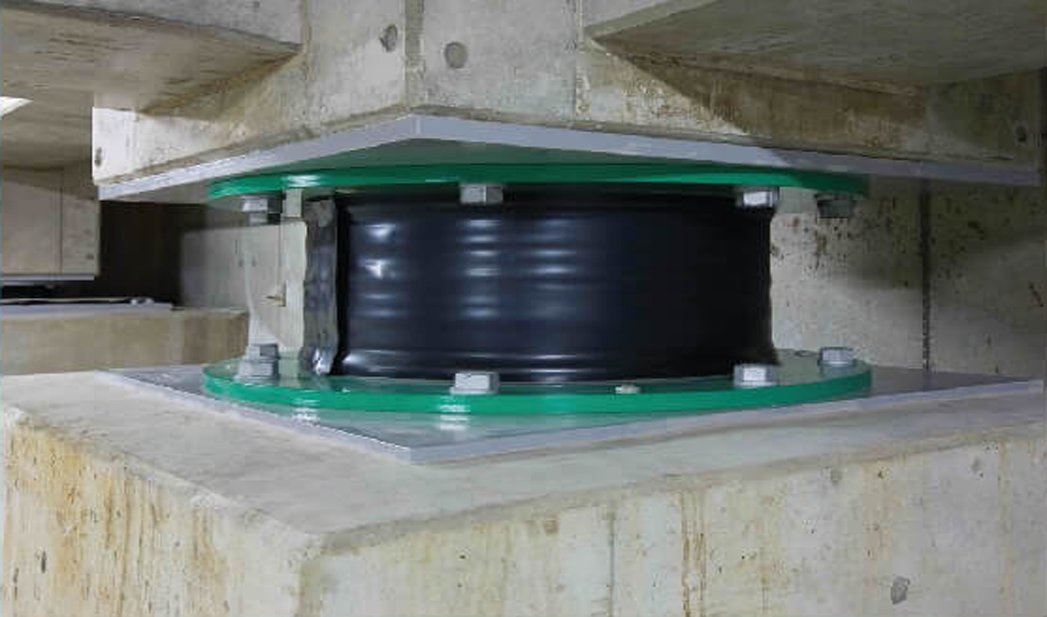
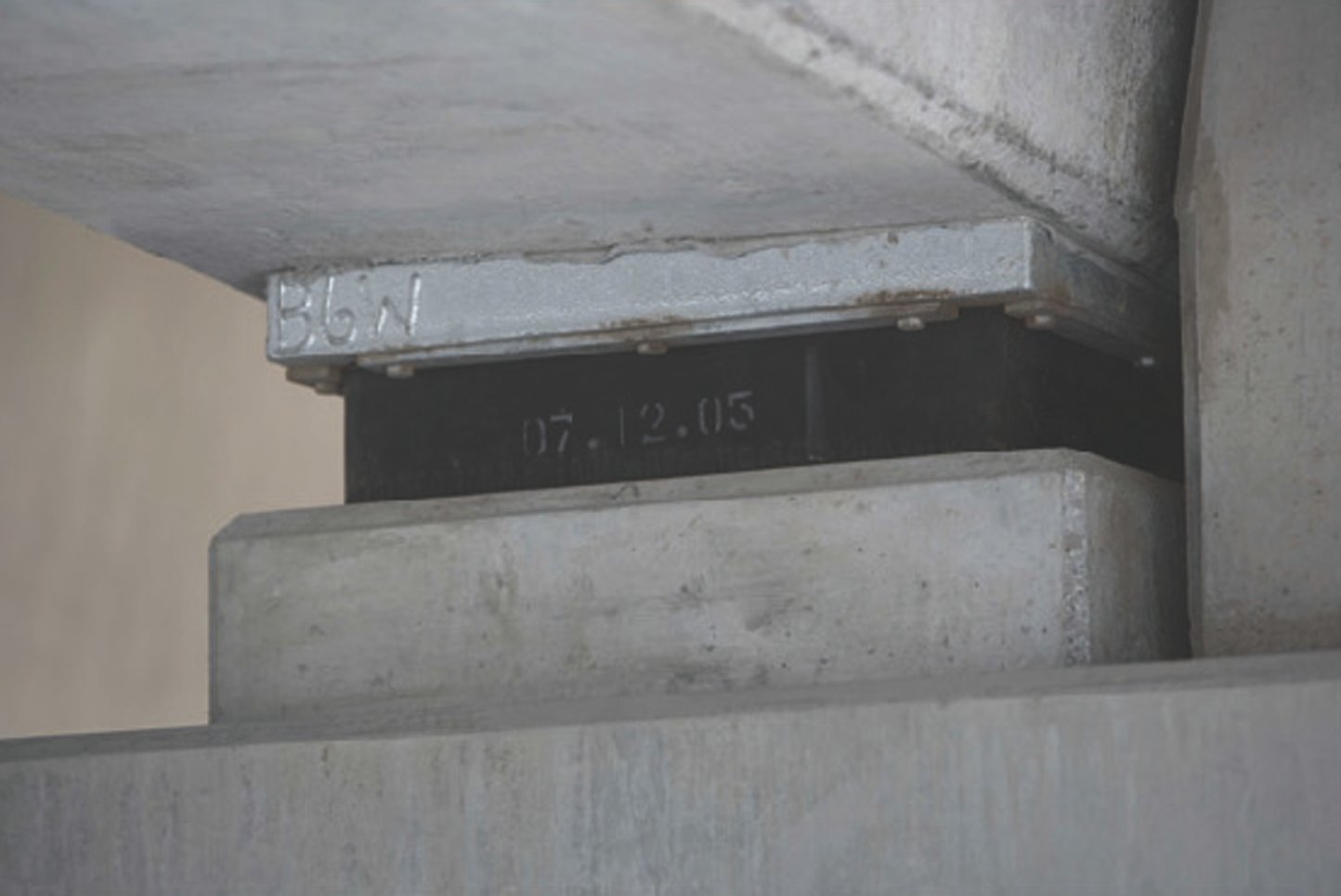
Elastomeric bearing pads designed to compress on vertical load, accommodate horizontal rotation, and provide lateral shear movement in large span bridges and structures.
Technical Specifications
| Standard | AASHTO M251 / BS 5400 / EN 1337 |
|---|---|
| Internal Reinforcement | Mild Steel Plate Shims (Monolithic vulcanization) |
| Elastomer Base | High Grade Natural Rubber / Neoprene (Polychloroprene) |
| Tensile Strength | ≥ 15.5 - 17.0 MPa |
| Elongation at Break | ≥ 400% |
| Hardness (Shore A) | 60 ± 5 IRHD |
| Testing Accreditation | BUET Tested & Certified |
| Movement Capability | Shear deflection up to 50% rubber thickness |
Detailed Engineering Description
An elastomeric bridge bearing is a commonly used modern bridge bearing. There are several different similar types of bridge bearings that include neoprene bearing pads, neoprene bridge bearings, laminated elastomeric bearings and seismic isolators, which are all generally referred to as bridge bearing pads in the construction industry.
They are designed and manufactured based on international standards and specifications including British Standard (BS 5400), AASHTO, and European Norms (EN 1337). Internal structure consists of a sandwich of mild steel shims and high-grade natural rubber or polychloroprene moulded as one unified monolithic unit under vulcanizing heat and extreme hydraulic pressure.
Elastomeric bearing pads compress on vertical load and accommodate horizontal rotation and provide lateral shear movement. Elastomeric bearing pads are the most economical solution used in construction of large span bridges and buildings.